Dagron potential cube (228 cards)
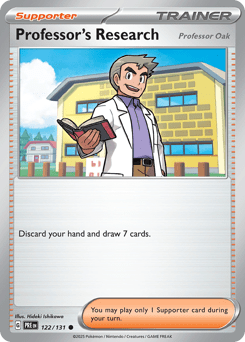
WotC era inspired with some newer twists. Stuff like Oak replaced with Prof Research, 1 supporter per turn, player 1 no supp/attack.
Themes include...
BIG BENCH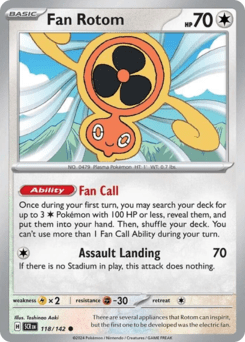
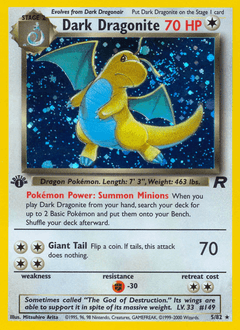
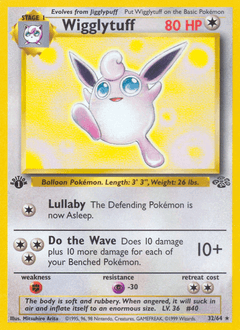
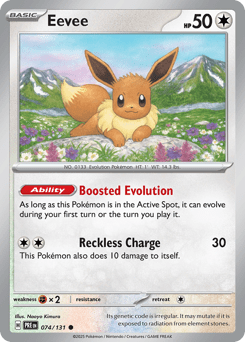
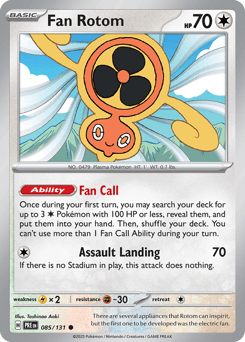
With a colorless, versatile core, the idea behind Big Bench decks is to use effects that tutor pokemon to your bench. An ideal gameplan is a turn 1 Fan Rotom, who usually can't attack but can be tutored up on turn 1 to find cards like Dratini and even colorless evolution cards like Dark Dragonite. Once you've assembled a full bench of basics, Wigglytuff comes down as a reliable threat with 80 HP and a 70 damage attack.
With a variety of colorless evolution pokemon, this deck synergizes well with rare candy or double colorless energy strategies; although naturally a tutor-heavy colorless deck synergizes well with almost any other strategy. However, keeping a full bench of weak pokemon makes you vulnerable to an opponent who can pick off or otherwise interact with your benched pokemon.
METAL
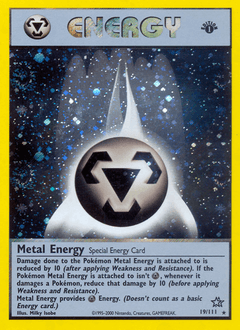
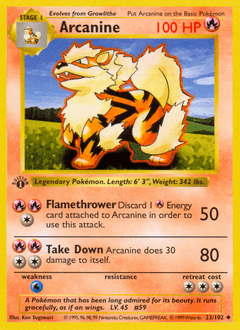
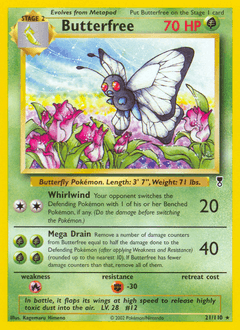
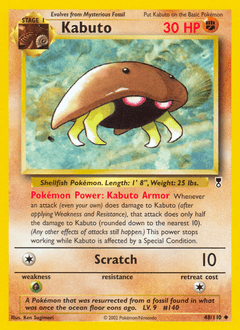
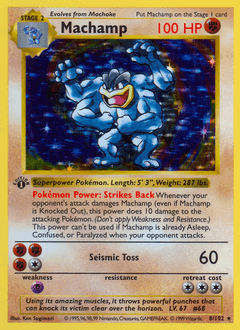
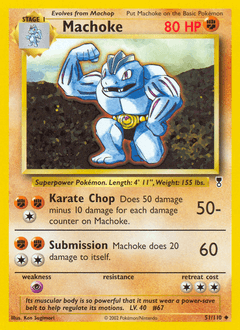
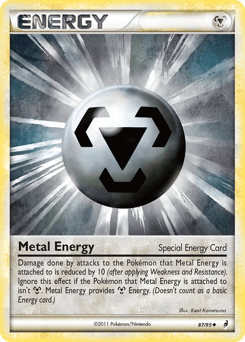
Metal decks abuse the "drawback" of metal energy. Metal energy reduces damage received and damage dealt by 10 for non-metal pokemon. That means a card like Arcanine double-dips with an attack like Take Down, going from 80 damage dealt and 30 damage received to a very profitable 70/10. Metal Energy serves a variety of other effects - on Butterfree, for example, it'll reduce the damage mega drain does to 30 without reducing the healing which rounds up; on Machoke it keeps Karate Chop active for longer and similarly converts Submission from 60 damage and 30 recoil to 50/10.
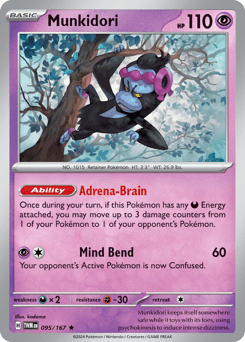
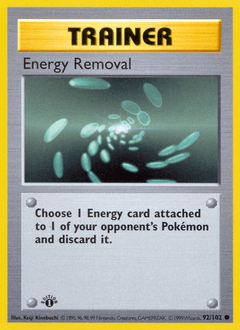
With its dependence on taking damage in a controlled fashion, this deck synergizes with healing or damage-counter-manipulating strategies; cards like Shuckle, Alakazam or Munkidori will prolong the lives of your already tanky pokemon. However, a reliance on Metal energy, high-cost moves, or supporting energies on your benched pokemon can leave you susceptible to effects like Energy Removal.
BIG BASICS/HAYMAKER
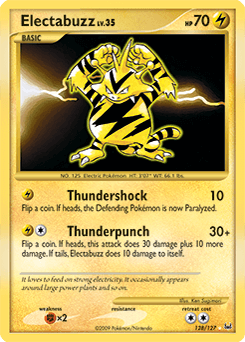
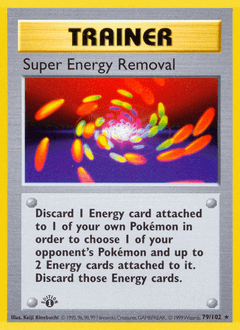
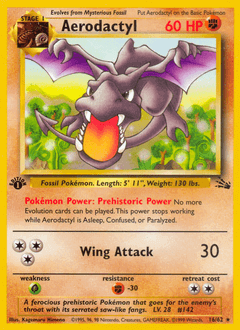
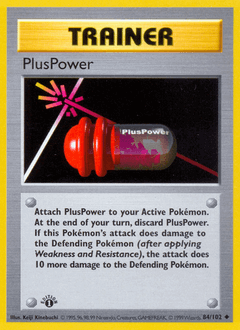
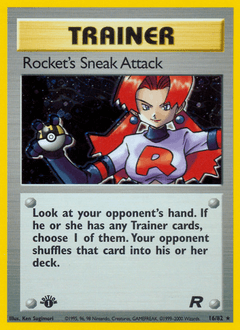
Named after cards like Electabuzz and Hitmonchan's various punch attacks, Haymaker plays hyper-efficient basic pokemon without any late game scaling. These big basics oppress opponent's unevolved basics while having enough bulk to trade with Stage 1 evolutions; this clock is further backed by disruption in whatever form you can get. Since your haymaker pokemon can operate off of minimal investment these decks can afford to have a lower energy count and more trainers. Drafting Energy Removals is fairly straightforward, but from there you can get more creative with effects like Aerodactyl's evolution lock or hand disruption like Rocket's Sneak Attack. Opponents will have to decide between evolving into pokemon whose attacks they can't fuel, or fighting a comically lopsided fight like sending out a Bulbasaur to fight your Mewtwo. This deck loves to utilize PlusPower early game, turning a 40 damage hit into 50 to take an unexpected prize off an opponent's Charmanders and Squirtles.
Haymaker decks typically rely on cards that are individually powerful, backed up by a flexible and interactive gameplan without relying on a large quantity of energy or fixing. The extra room for trainer cards serves as a double edged sword; while you'll feel dominant against basic pokemon with 40 - 60 HP you can quickly run out of steam if your opponent successfully puts out defensive pokemon that take several turns for you to knock out while they position themselves with late-game engines.
CANDY CRUSH ( I.e. Rain Dance)
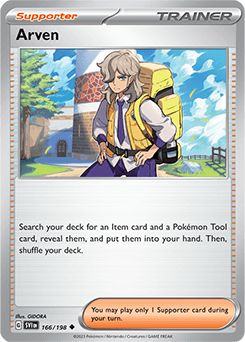

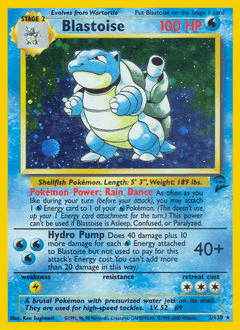
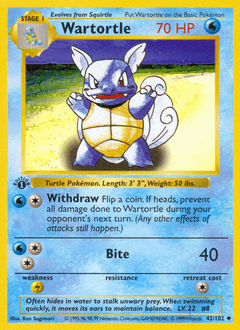
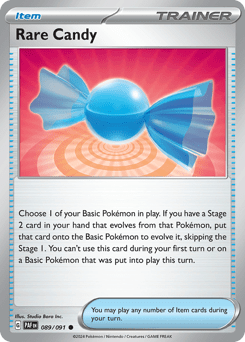
Rare Candy enables a level of redundancy in decks that rely on evolved pokemon; allowing for resilience in both the games and the draft. Missing a Stage 1 like Wartortle due to having it prized, knocked out, or simply never seeing one in the draft? Rare Candy fills that gap and enables turbo-evolution decks alongside effects like Ultra Ball or Arven; threatening opponents as soon as turn 2 with the kind of trademark pokemon that show up on the front of booster packs.
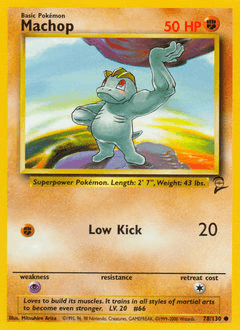
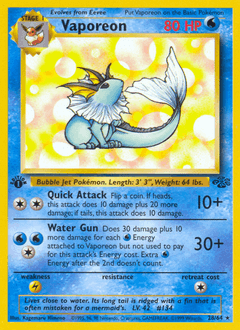
Since the basic idea behind a rare candy deck is just "play Stage 2s", synergies will vary wildly from deck to deck. Rain Dance might dabble into the Eevee/Vaporeon line for secondary attackers. A Machamp based strategy might use a Machoke with a Metal energy to bridge the gap to find a Stage 2 Evolution held hostage as a prize. Universally, the weakness of such decks will be that the more recklessly they build around Rare Candy instead of a more "honest" evolutionary tree, the softer they are to disruption or even having essential components of your deck taken as prize cards early game.
DAMAGE COUNTER MANIPULATION
WotC era inspired with some newer twists. Stuff like Oak replaced with Prof Research, 1 supporter per turn, player 1 no supp/attack.
Themes include...
BIG BENCH
With a colorless, versatile core, the idea behind Big Bench decks is to use effects that tutor pokemon to your bench. An ideal gameplan is a turn 1 Fan Rotom, who usually can't attack but can be tutored up on turn 1 to find cards like Dratini and even colorless evolution cards like Dark Dragonite. Once you've assembled a full bench of basics, Wigglytuff comes down as a reliable threat with 80 HP and a 70 damage attack.
With a variety of colorless evolution pokemon, this deck synergizes well with rare candy or double colorless energy strategies; although naturally a tutor-heavy colorless deck synergizes well with almost any other strategy. However, keeping a full bench of weak pokemon makes you vulnerable to an opponent who can pick off or otherwise interact with your benched pokemon.
METAL
Metal decks abuse the "drawback" of metal energy. Metal energy reduces damage received and damage dealt by 10 for non-metal pokemon. That means a card like Arcanine double-dips with an attack like Take Down, going from 80 damage dealt and 30 damage received to a very profitable 70/10. Metal Energy serves a variety of other effects - on Butterfree, for example, it'll reduce the damage mega drain does to 30 without reducing the healing which rounds up; on Machoke it keeps Karate Chop active for longer and similarly converts Submission from 60 damage and 30 recoil to 50/10.
With its dependence on taking damage in a controlled fashion, this deck synergizes with healing or damage-counter-manipulating strategies; cards like Shuckle, Alakazam or Munkidori will prolong the lives of your already tanky pokemon. However, a reliance on Metal energy, high-cost moves, or supporting energies on your benched pokemon can leave you susceptible to effects like Energy Removal.
BIG BASICS/HAYMAKER
Named after cards like Electabuzz and Hitmonchan's various punch attacks, Haymaker plays hyper-efficient basic pokemon without any late game scaling. These big basics oppress opponent's unevolved basics while having enough bulk to trade with Stage 1 evolutions; this clock is further backed by disruption in whatever form you can get. Since your haymaker pokemon can operate off of minimal investment these decks can afford to have a lower energy count and more trainers. Drafting Energy Removals is fairly straightforward, but from there you can get more creative with effects like Aerodactyl's evolution lock or hand disruption like Rocket's Sneak Attack. Opponents will have to decide between evolving into pokemon whose attacks they can't fuel, or fighting a comically lopsided fight like sending out a Bulbasaur to fight your Mewtwo. This deck loves to utilize PlusPower early game, turning a 40 damage hit into 50 to take an unexpected prize off an opponent's Charmanders and Squirtles.
Haymaker decks typically rely on cards that are individually powerful, backed up by a flexible and interactive gameplan without relying on a large quantity of energy or fixing. The extra room for trainer cards serves as a double edged sword; while you'll feel dominant against basic pokemon with 40 - 60 HP you can quickly run out of steam if your opponent successfully puts out defensive pokemon that take several turns for you to knock out while they position themselves with late-game engines.
CANDY CRUSH ( I.e. Rain Dance)
Rare Candy enables a level of redundancy in decks that rely on evolved pokemon; allowing for resilience in both the games and the draft. Missing a Stage 1 like Wartortle due to having it prized, knocked out, or simply never seeing one in the draft? Rare Candy fills that gap and enables turbo-evolution decks alongside effects like Ultra Ball or Arven; threatening opponents as soon as turn 2 with the kind of trademark pokemon that show up on the front of booster packs.
Since the basic idea behind a rare candy deck is just "play Stage 2s", synergies will vary wildly from deck to deck. Rain Dance might dabble into the Eevee/Vaporeon line for secondary attackers. A Machamp based strategy might use a Machoke with a Metal energy to bridge the gap to find a Stage 2 Evolution held hostage as a prize. Universally, the weakness of such decks will be that the more recklessly they build around Rare Candy instead of a more "honest" evolutionary tree, the softer they are to disruption or even having essential components of your deck taken as prize cards early game.
DAMAGE COUNTER MANIPULATION
Cube List - Multiple Cube
Card Counts
Card Types
Energy Types
Rarity
Sets
Pokémon - Psychic
17Pokémon - Fighting
17Pokémon - Fire
22Pokémon - Water
19Pokémon - Grass
20Pokémon - Colorless
23Lightning,Darkness
1Pokémon - Lightning
16Pokémon - Darkness
3Pokémon - Dragon
1Trainer
72Energy
17Pokémon - Psychic
17- Abra (base1-43)
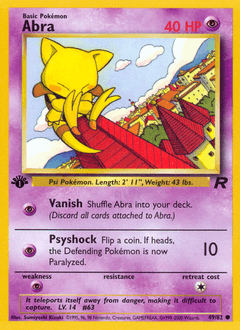
- Abra (base5-49)
- Abra (me1-54)
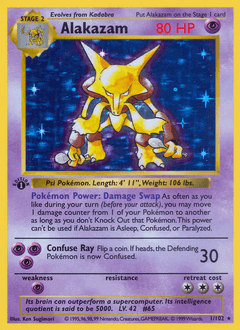
- Alakazam (base1-1)
- Alakazam (me1-56)
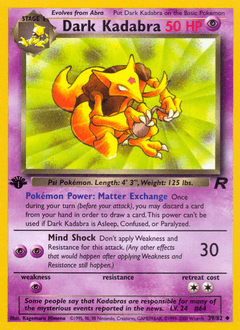
- Dark Kadabra (base5-39)
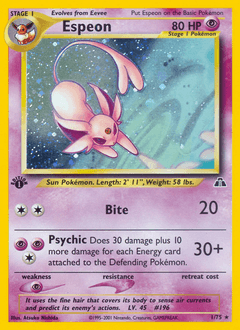
- Espeon (neo2-1)
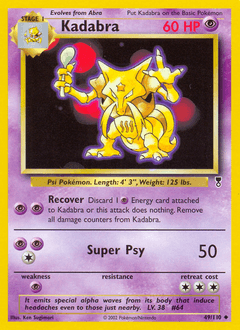
- Kadabra (base6-49)
- Kadabra (me1-55)
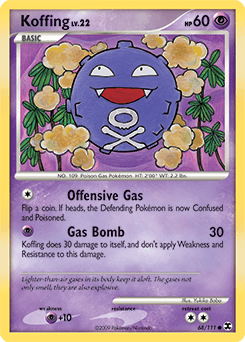
- Koffing (pl2-68)
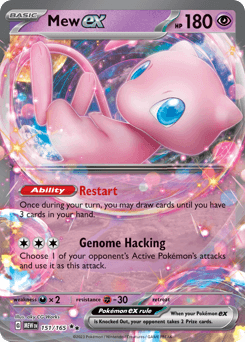
- Mew ex (sv3pt5-151)
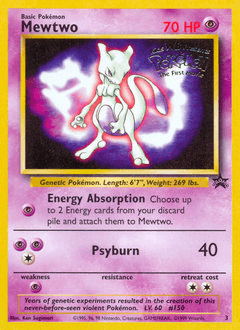
- Mewtwo (basep-3)
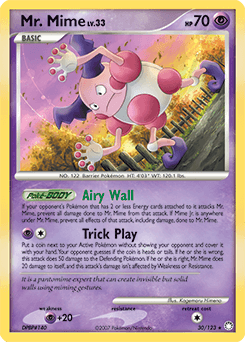
- Mr. Mime (dp2-30)
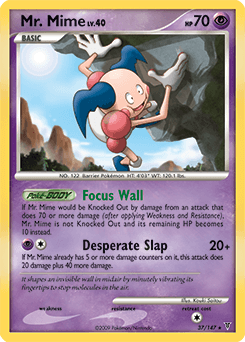
- Mr. Mime (pl3-37)
- Munkidori (sv6-95)
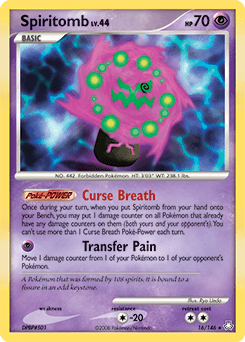
- Spiritomb (dp6-16)
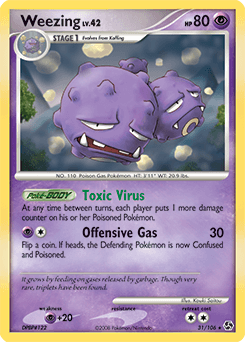
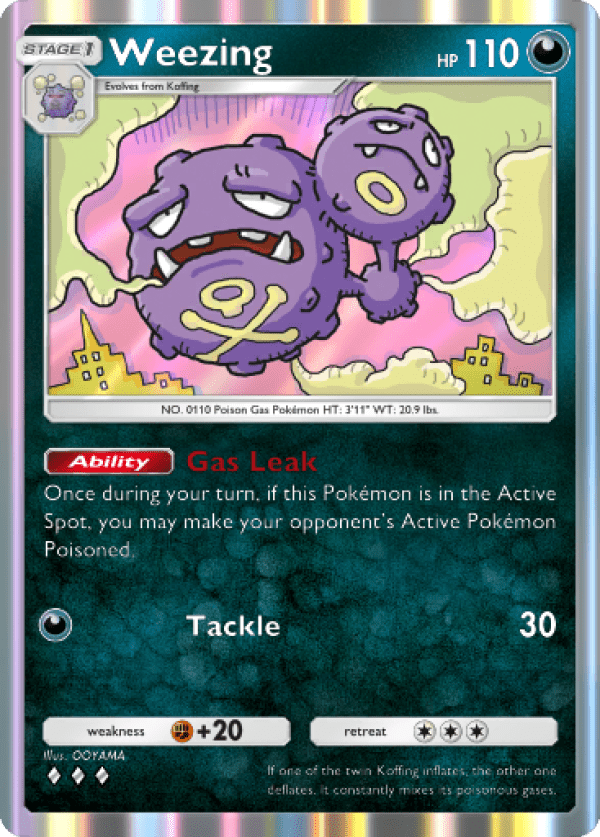
- Weezing (dp4-31)
Pokémon - Fighting
17Pokémon - Fire
22- Arcanine (base1-23) x2
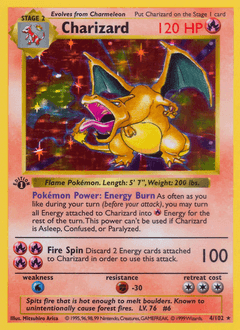
- Charizard (base1-4)
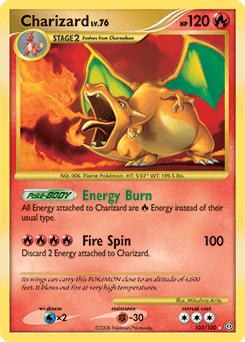
- Charizard (dp7-103)
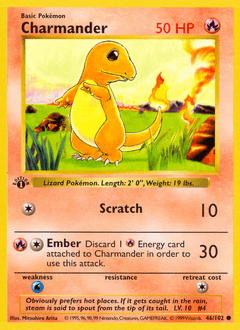
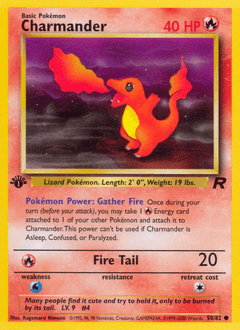
- Charmander (base1-46)
- Charmander (base5-50)
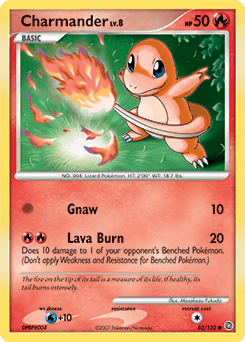
- Charmander (dp3-82)
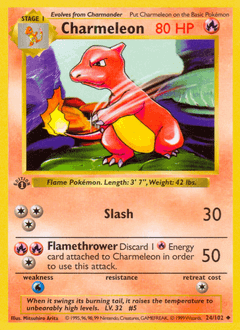
- Charmeleon (base1-24) x2
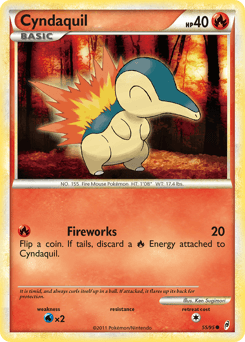
- Cyndaquil (col1-55) x2
- Dark Charizard (base5-4)
- Dark Charmeleon (base5-32)
- Dark Quilava (neo4-39) x2
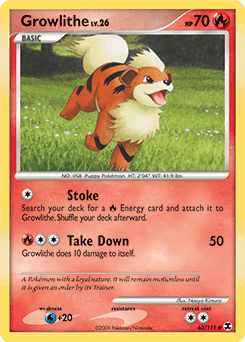
- Growlithe (base1-28)
- Growlithe (pl2-63)
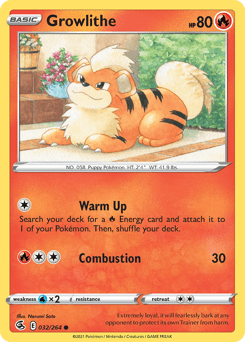
- Growlithe (swsh8-32)
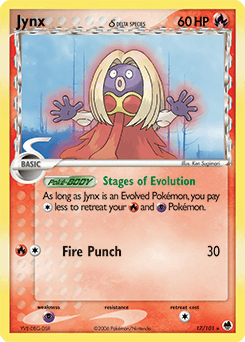
- Jynx δ (ex15-17)
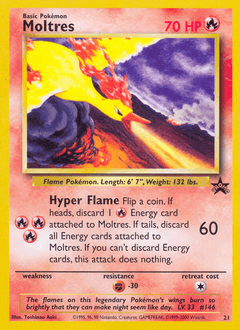
- Moltres (basep-21)
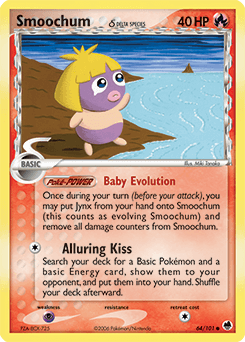
- Smoochum δ (ex15-64) x2
Pokémon - Water
19- Blastoise (base1-2)
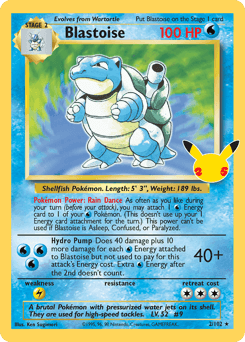
- Blastoise (cel25c-2_A)
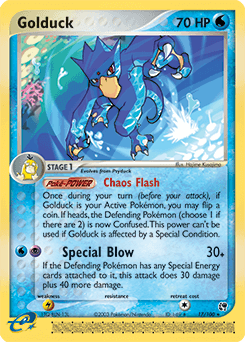
- Golduck (ex2-17)
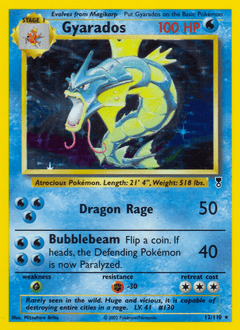
- Gyarados (base6-12)
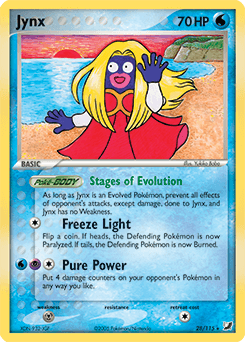
- Jynx (ex10-28)
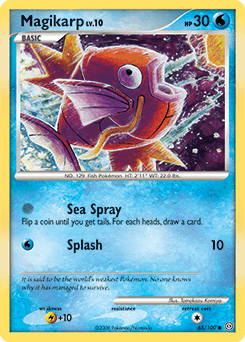
- Magikarp (dp7-65)
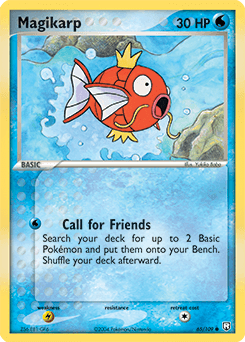
- Magikarp (ex7-65)
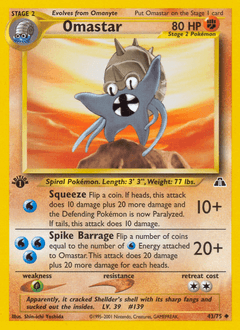
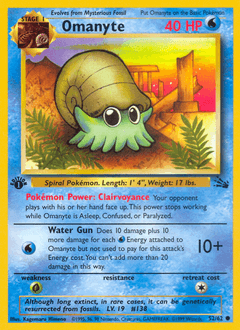
- Omanyte (base3-52)
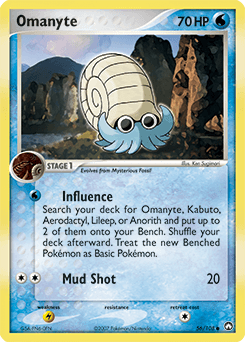
- Omanyte (ex16-56)
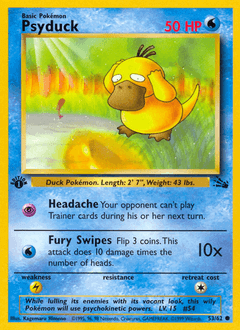
- Psyduck (base3-53) x2
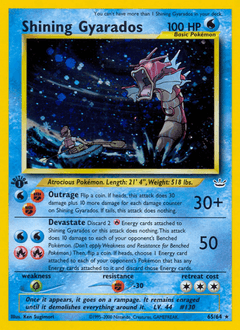
- Shining Gyarados (neo3-65)
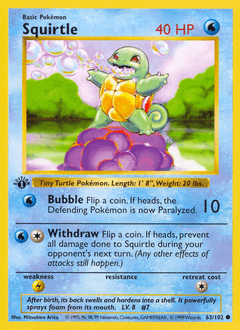
- Squirtle (base1-63) x3
- Vaporeon (base2-28)
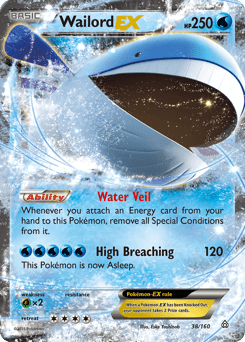
- Wailord-EX (xy5-38)
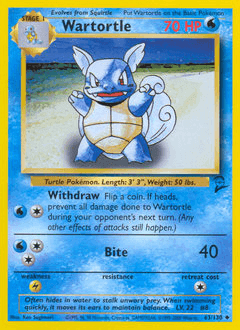
- Wartortle (base1-42)
- Wartortle (base4-63)
Pokémon - Grass
20- Bulbasaur (base4-67) x2
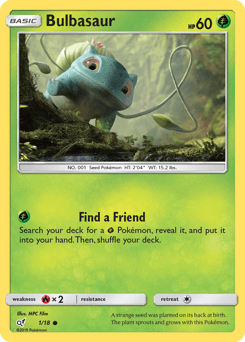
- Bulbasaur (det1-1)
- Butterfree (base6-21)
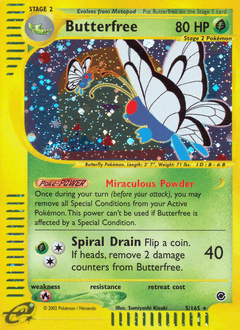
- Butterfree (ecard1-5)
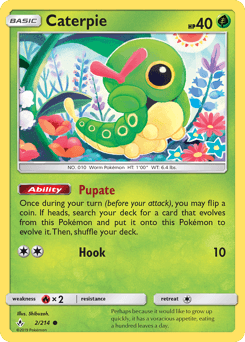
- Caterpie (sm10-2) x2
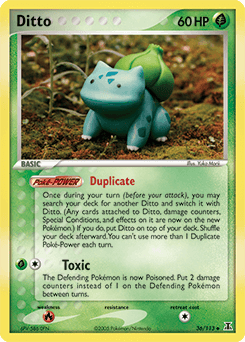
- Ditto (ex11-36)
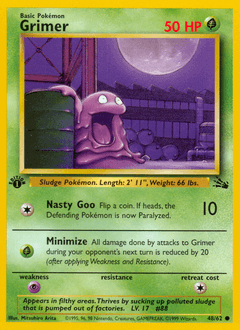
- Grimer (base3-48)
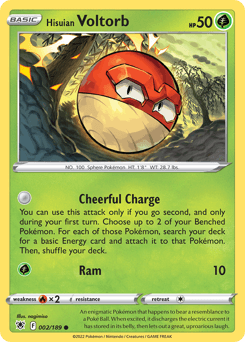
- Hisuian Voltorb (swsh10-2) x2
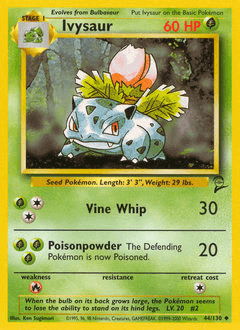
- Ivysaur (base4-44)
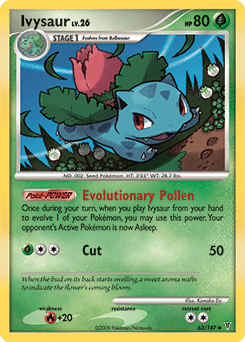
- Ivysaur (pl3-62)
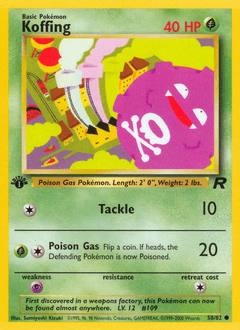
- Koffing (base5-58)
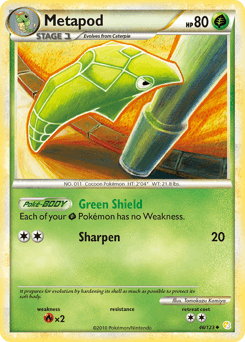
- Metapod (hgss1-46)
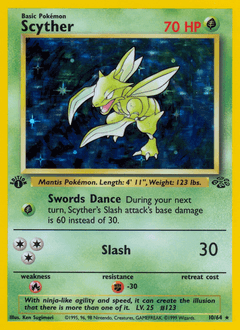
- Scyther (base2-10)
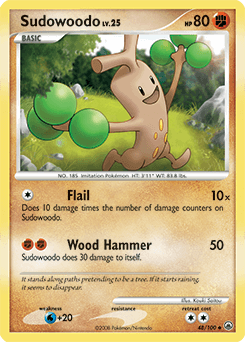
- Shuckle (me1-11)
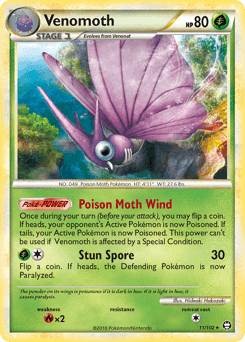
- Venomoth (hgss4-11)
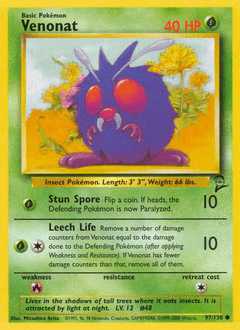
- Venonat (base4-97)
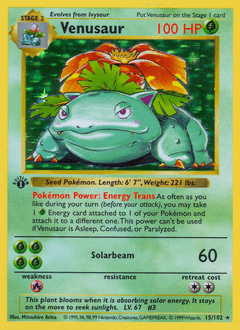
- Venusaur (base1-15)
Pokémon - Colorless
23- Chansey ex (ex1-96)
- Cleffa (cel25c-20_A)
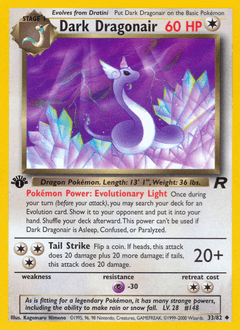
- Dark Dragonair (base5-33) x2
- Dark Dragonite (base5-5)
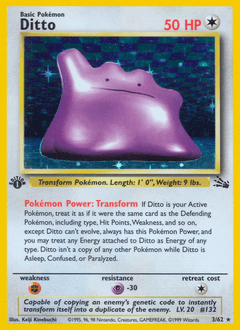
- Ditto (base3-3)
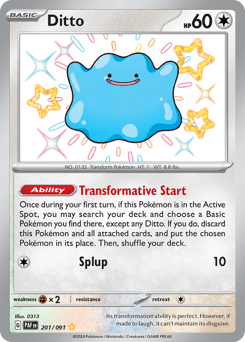
- Ditto (sv4pt5-201)
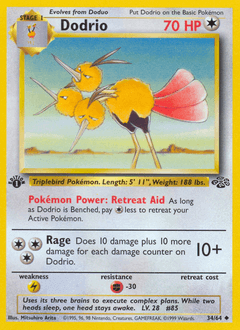
- Dodrio (base2-34)
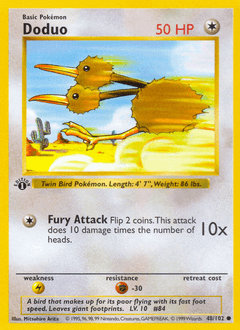
- Doduo (base1-48) x2
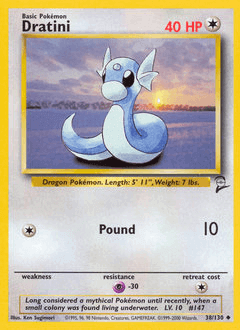
- Dratini (base4-38) x3
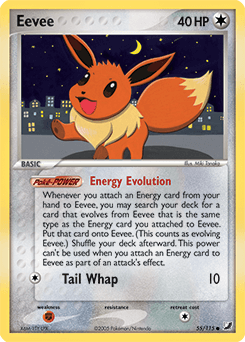
- Eevee (ex10-55)
- Eevee (sv8pt5-74)
- Fan Rotom (sv8pt5-85)
- Jigglypuff (base2-54)
- Kangaskhan (base2-21)
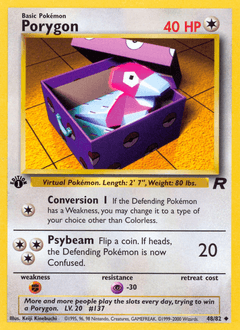
- Porygon (base5-48)
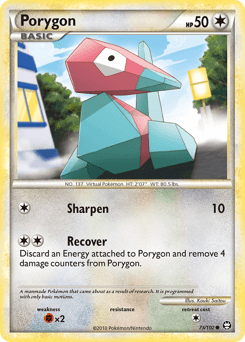
- Porygon (hgss4-73)
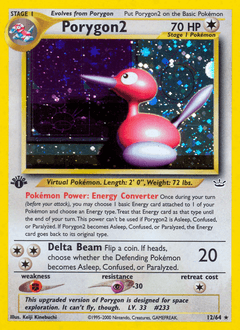
- Porygon2 (neo3-12) x2
- Wigglytuff (base2-32)
Lightning,Darkness
1Pokémon - Lightning
16Pokémon - Darkness
3Pokémon - Dragon
1Trainer
72- Air Balloon (zsv10pt5-79)
- Arven (sv1-166) x3
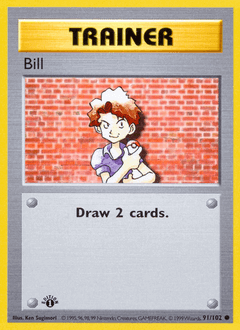
- Bill (base1-91) x2
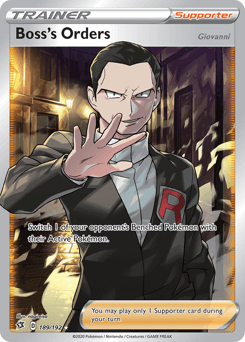
- Boss's Orders (swsh2-189) x2
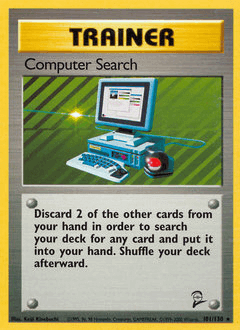
- Computer Search (base4-101)
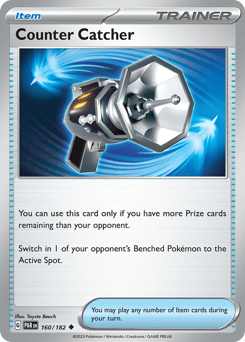
- Counter Catcher (sv4-160) x2
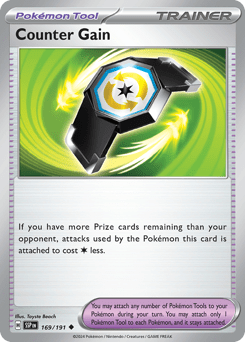
- Counter Gain (sv8-169)
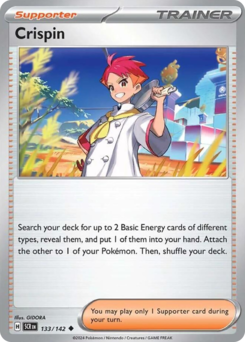
- Crispin (sv7-133)
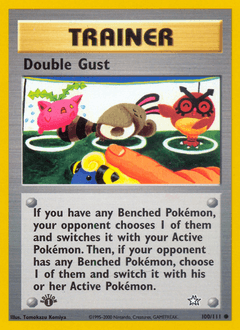
- Double Gust (neo1-100)
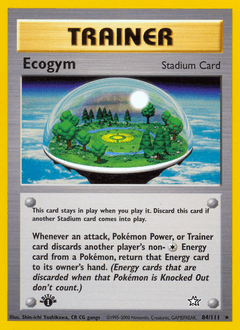
- Ecogym (neo1-84)
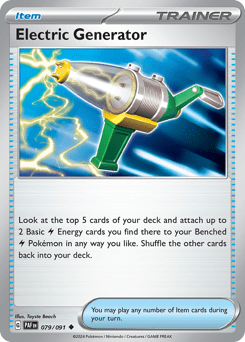
- Electric Generator (sv4pt5-79)
- Energy Removal (base1-92) x3
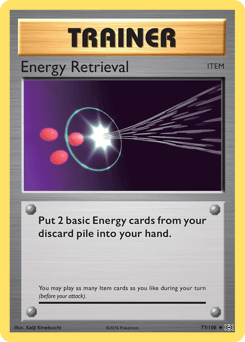
- Energy Retrieval (xy12-77)
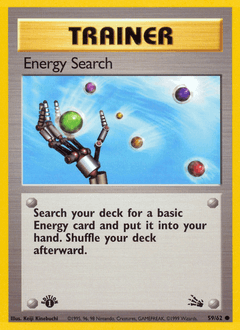
- Energy Search (base3-59) x3
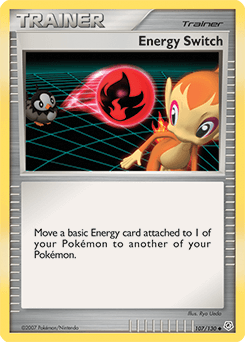
- Energy Switch (dp1-107)
- Fighting Gong (me1-116)
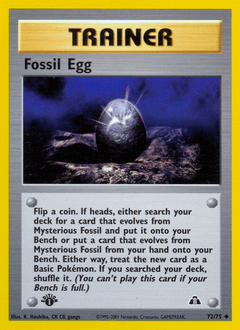
- Fossil Egg (neo2-72)
- Hilda (rsv10pt5-84)
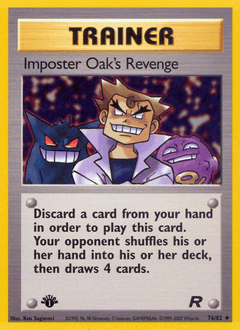
- Imposter Oak's Revenge (base5-76)
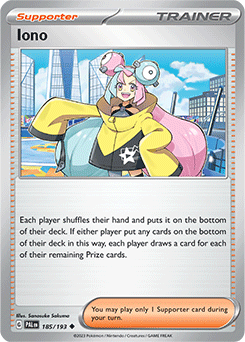
- Iono (sv2-185) x2
- Lillie's Determination (me1-119)
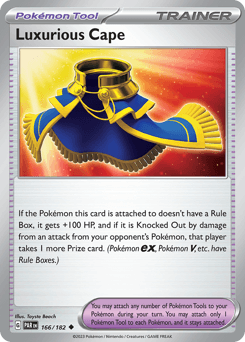
- Luxurious Cape (sv4-166)
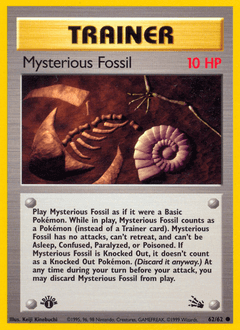
- Mysterious Fossil (base3-62) x2
- Mystery Garden (me1-122)
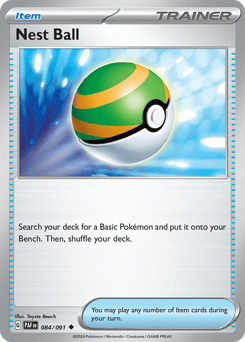
- Nest Ball (sv4pt5-84) x2
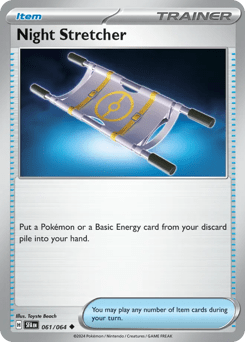
- Night Stretcher (me1-173)
- Night Stretcher (sv6pt5-61)
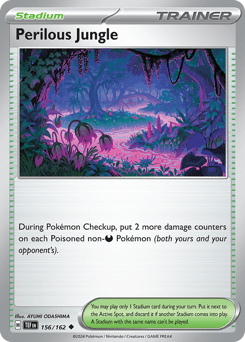
- Perilous Jungle (sv5-156)
- PlusPower (base1-84) x2
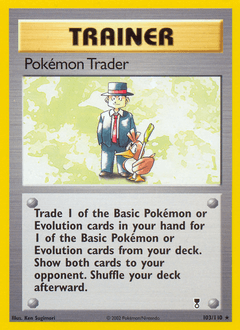
- Pokémon Trader (base6-103)
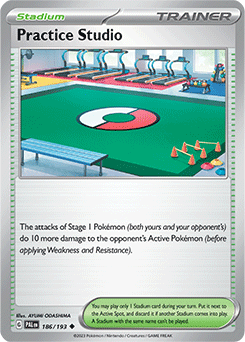
- Practice Studio (sv2-186)
- Professor's Research (sv8pt5-122) x4
- Rare Candy (sv4pt5-89)
- Risky Ruins (me1-127)
- Rocket's Sneak Attack (base5-16) x2
- Super Energy Removal (base1-79) x2
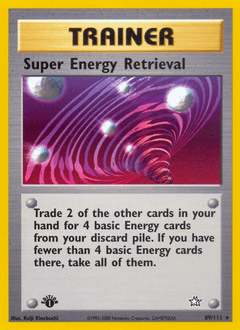
- Super Energy Retrieval (neo1-89) x2
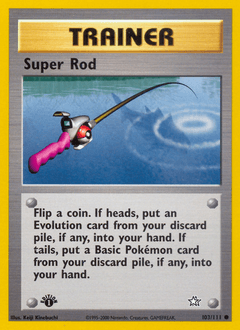
- Super Rod (neo1-103) x2
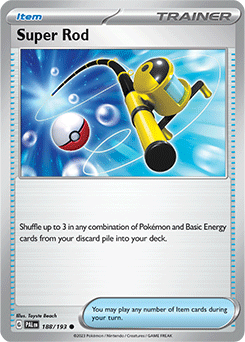
- Super Rod (sv2-188)
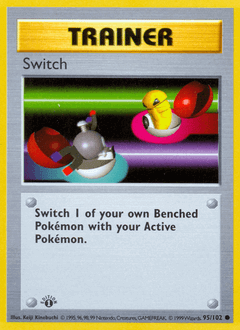
- Switch (base1-95) x3
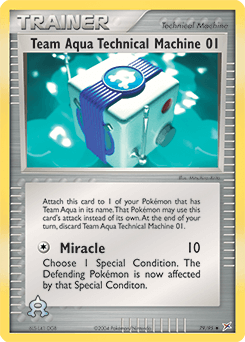
- Team Aqua Technical Machine 01 (ex4-79)
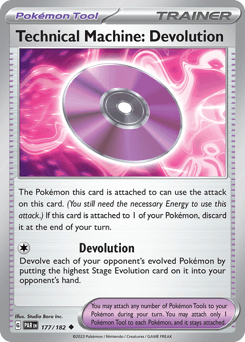
- Technical Machine: Devolution (sv4-177)
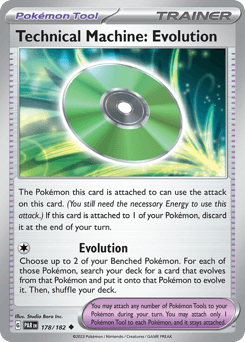
- Technical Machine: Evolution (sv4-178)
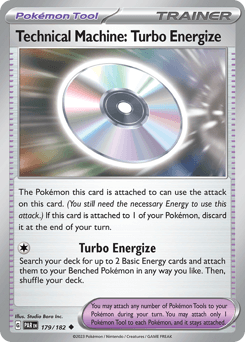
- Technical Machine: Turbo Energize (sv4-179)
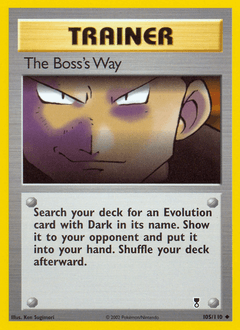
- The Boss's Way (base6-105)
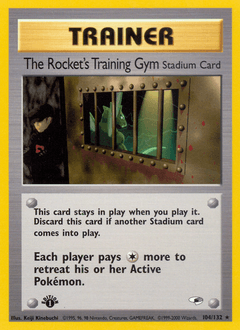
- The Rocket's Training Gym (gym1-104)
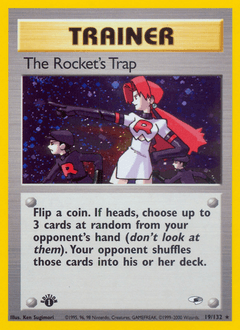
- The Rocket's Trap (gym1-19) x2
- Ultra Ball (me1-131) x2
Pokémon - Psychic
17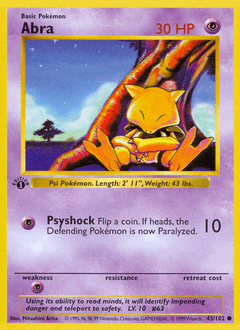



Pokémon - Fighting
17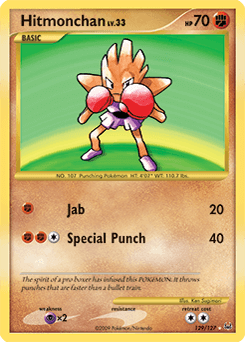
Pokémon - Fire
22
x2
 x2
x2
 x2
x2
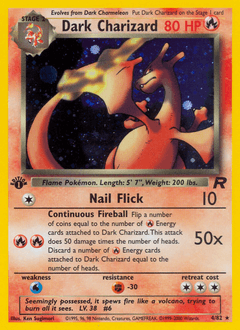
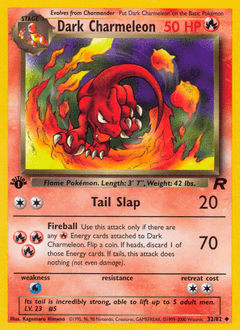
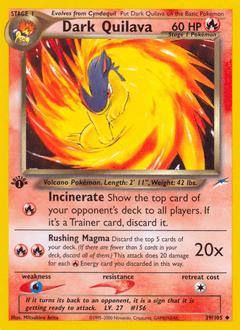 x2
x2
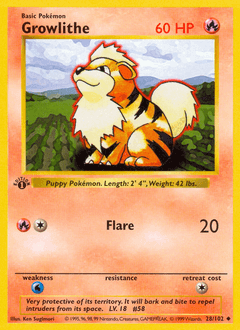
 x2
x2
Pokémon - Water
19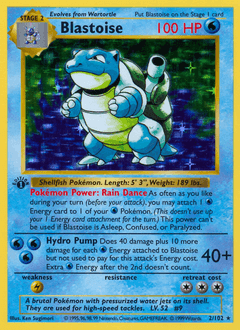
 x2
x2
 x3
x3
Pokémon - Grass
20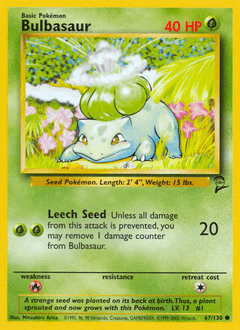 x2
x2
 x2
x2
 x2
x2

Pokémon - Colorless
23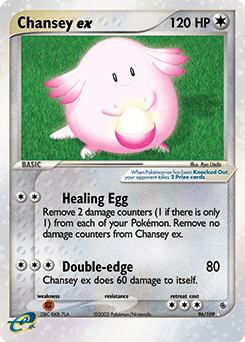

 x2
x2
 x2
x2
 x3
x3
 x2
x2
Lightning,Darkness
1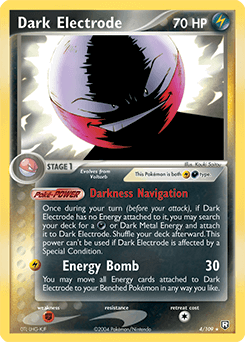
Pokémon - Lightning
16
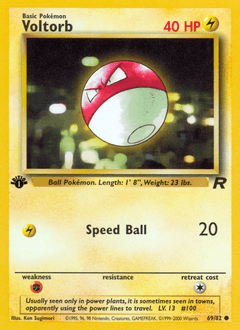
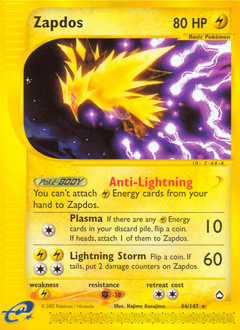
Pokémon - Darkness
3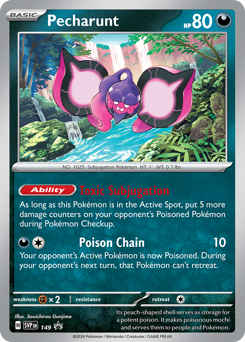
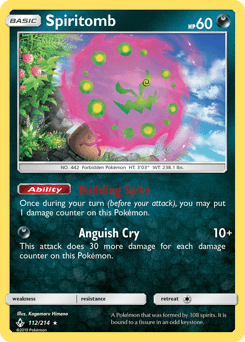
Pokémon - Dragon
1
Trainer
72 x3
x3
 x2
x2
 x2
x2
 x2
x2
 x3
x3
 x3
x3


 x2
x2

 x2
x2

 x2
x2

 x2
x2
 x4
x4

 x2
x2
x2
x2
 x2
x2
 x2
x2
 x3
x3
 x2
x2
 x2
x2
2025-12-18
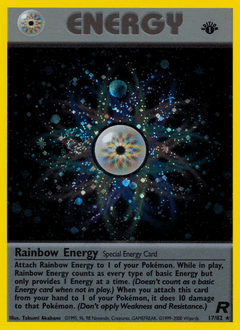
ADD Rainbow Energy x 1
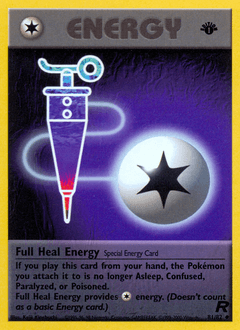
ADD Full Heal Energy x 2
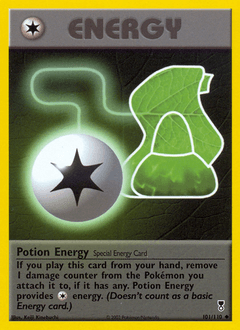
ADD Potion Energy x 2
ADD Metal Energy x 3
ADD Switch x 3
ADD Boss's Orders x 2
ADD Arven x 3
ADD Lillie's Determination x 1
ADD Iono x 2
ADD Professor's Research x 4