Festival Lead - Post Rotation

arancinocosmico arancinocosmico standard 5,254 views Mar 29, 2026 Updated Apr 13, 2026
Budget
Purchase
Deck Primer

ENGLISH VERSION

Hello guys!

I prepared this deck with the intention of giving guidance to anyone who wants to approach Festival Grounds.

The fundamental premise is that the deck is difficult to use: it requires practice, because you play many single-copy cards and you must always know what to do at the right time, especially in the early stages.

With that understood, let’s take a look at the Pokémon in detail.


Pokémon:

The idea of the deck is very simple: we want

...

ENGLISH VERSION

Hello guys!

I prepared this deck with the intention of giving guidance to anyone who wants to approach Festival Grounds.

The fundamental premise is that the deck is difficult to use: it requires practice, because you play many single-copy cards and you must always know what to do at the right time, especially in the early stages.

With that understood, let’s take a look at the Pokémon in detail.


Pokémon:

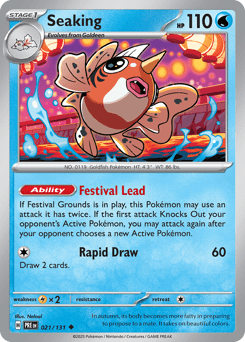
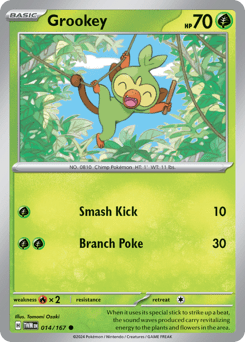
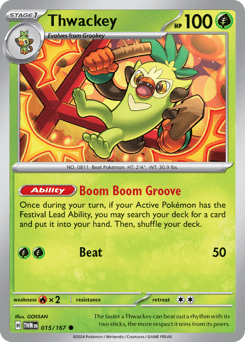
The idea of the deck is very simple: we want to play cards that synergize with Thwackey (to take advantage of its ability) and with Festival Grounds.

For this reason, the following Pokémon cannot be missing from the deck:

-Dipplin;

-Goldeen;

-Seaking.

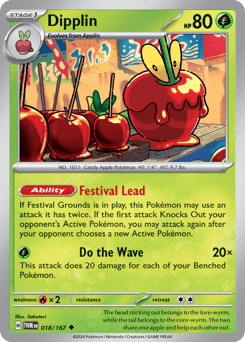
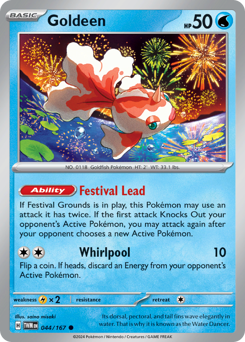
Their abilities allow them to attack twice when the stadium is in play, and it is essential that one of these Pokémon is in the active position in order to use Thwackey’s “Pidgeot” function.


Main attacker:

The main attacker is Dipplin.
With the arrival of Poképad, it has become much easier to search for Pokémon, so Seaking’s draw function is now very situational.

Dipplin, with a full bench, with:

Bracelet equipped, Black Belt used, and stadium in play... reaches 340 damage, so you will be able to close out games without particular problems.


Applin line:

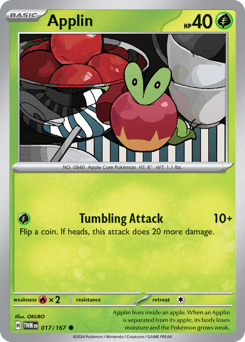
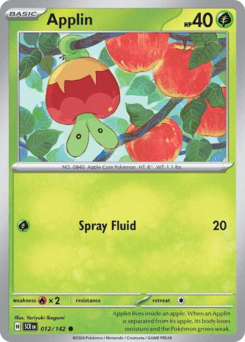
For Applin, I like to use two versions:

-one with 10 HP that can deal 30 damage if you flip heads;

-one with 20 HP.

The 10 HP one is useful when you expect item lock from Budew, because it allows you to attempt an immediate KO.
The other is more useful against Fighting Mask.

Remember that against Fighting Mask, with Bracelet + Supporter, you can also reach 200 damage in one turn thanks to weakness. Additionally, with the rotation of some cards like Turum/Penny, opponents will have to be much more careful in how they handle these situations.


Grookey/Thwackey line:

-Grookey and Thwackey need no introduction: they are the heart of the deck.
Depending on the matchup, you should have 2 or 3 Thwackey in play;

-Rillaboom is instead very situational.
Before rotation it was essential, because Dipplin is very aggressive and was easily punished by Counter Catcher. Now it is less necessary, because it is rare for the opponent to try to slow you down by targeting Thwackey, as they would be forced to use a Supporter to target it. You can easily manage many situations with Applin, but Rillaboom remains useful now in cases where you need to buy time.

Be careful though: Rillaboom has a retreat cost of 4, so it must be played with the right timing.


Support Pokémon:

-Goldeen and Seaking are very situational, but Goldeen is often essential.
It is in fact the only BASE Pokémon in the deck with the “Festival Lead” ability, necessary to activate Thwackey. In difficult hands, putting Goldeen + Grookey into play is often better than starting with Applin, because your goal is to use Thwackey as soon as possible to get Lillie and draw 8 cards.

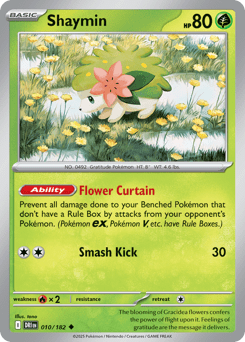
-Shaymin is essential because it blocks bench damage (e.g. Darmanitan, Wellspring Mask ex).
Be careful though: it does not block damage counters (e.g. Dragapult).

-Psyduck is very important because it counters the Dusknoir and Forretress lines.

-Budew is situational, but useful to buy time against decks with Rare Candy or explosive starts.
In any case, it is a flexible slot.


Ideal setup:

Ideally you want:

-Dipplin active;

-Dipplin on the bench;

-At least a double Thwackey line;

-A situational Pokémon (Goldeen + another).

-The last slot should be managed for utility (Budew, Shaymin, Psyduck).

Do not overfill the bench: in some matchups it will be necessary to prepare two Applin at the same time, because one will almost always be targeted.

As mentioned before, this is something you learn by playing: the deck is quite complex in this regard.


Supporters:

-Lillie x4 → essential
This is the card you always want to see and use.

-Boss x2 → essential
You can also consider 3, removing one Pokémon.

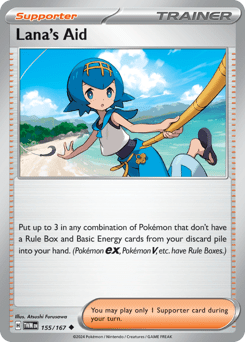
-Lana x1 → situational
Useful when you are low on resources (more rarely, you will use it mainly against single prize decks).

-Judge/ x1 → to disrupt specific matchups (e.g. Alakazam)
Alternative: Xerosic.

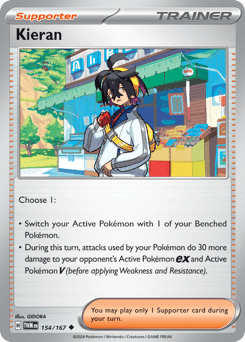
-Kieran x1 → very versatile, also usable as a switch.

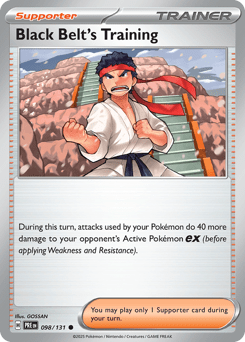
-Black Belt x1 → essential to increase damage against high HP Pokémon.

Personal choice:

-1 Kieran + 1 Black Belt or;

-2 Kieran, depending on your playstyle (possibly removing a Switch).

The best cards to have in hand are Lillie and Kieran, because they are the most versatile.
You will search for the rest only when you really need them.


Tools and other cards:

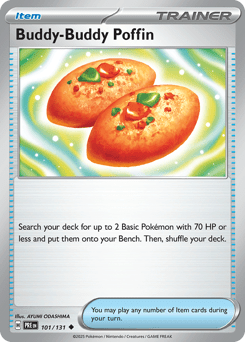
-Poképad x4 / Poffin x4:
They need no explanation.
Remember that the deck wants to go first and suffers from item lock, so it is important to use items already on the first turn.

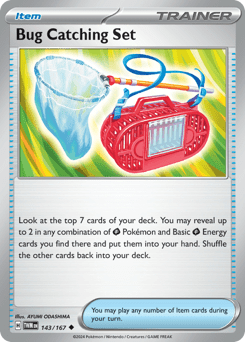
-Bug x3:
Very strong, but be careful: they do not recover the special energies of Perfect Order.
Depending on your style, you can also consider more basic energies.

-Balloon x1 / Switch x1:
Variable depending on the build and the number of Kieran.

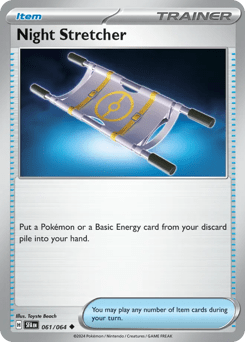
-Night Stretcher x1 → situational.

-Tool Sca-pp-er x1:
Very strong for:

1- removing Balloons;

2- bossing Pokémon with high retreat cost;

3- buying time in the late game.

Also useful for removing Hero's Cape, a very annoying card for Dipplin.

-Bracelet x2 → to increase damage by 30 per hit;

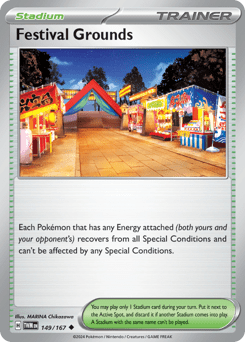
-Festival Grounds x4:
You always want it in play.


Ace Spec:

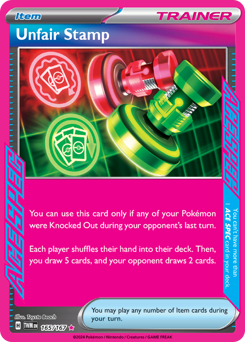
Unfair Stamp is generally better than Max Belt, because in the current format it is extremely punishing, and the deck already deals enough damage.

However, if you decide to play Max Belt:

-you can remove Rillaboom, because Applin can get a KO on the Fighting Mask (50 belt+ 40 blackbelt+ 20 natural damage) x (2 of weakness);

-you can remove one 30-damage Bracelet and add something else.


Conclusion

These are general guidelines to get started.

It is a deck that requires practice and management, so you will learn many decisions by playing and understanding matchups.

If you need help, you can find me on Discord: arancinocosmico.

A hug! 😊


VERSIONE ITALIANA

Ciao ragazzi!

Ho preparato questo deck con la volontà di dare un’indicazione a tutti coloro che vogliono approcciarsi ad Area della Festa.

Il presupposto fondamentale è che il mazzo è difficile da usare: richiede allenamento, perché giocate molte carte in monocopia e dovete sapere sempre cosa fare al momento giusto, soprattutto nelle fasi iniziali.

Dato questo per compreso, andiamo a vedere i Pokémon nello specifico.


Pokémon:

L’idea del mazzo è molto semplice: vogliamo giocare carte che sinergizzano con Thwackey (per sfruttare la sua abilità) e con Area della Festa.

Per questo motivo, nel mazzo non possono mancare:

-Dipplin;

-Goldeen;

-Seaking.

Le loro abilità permettono di attaccare due volte quando lo stadio è in gioco, ed è fondamentale che uno di questi Pokémon sia in posizione attiva per poter utilizzare la funzione “Pidgeot” di Thwackey.


Attaccante principale:

Il principale attaccante è Dipplin.
Con l’arrivo di Poképad è diventato molto più semplice cercare Pokémon, quindi la funzione di pescata di Seaking è ormai molto situazionale.

Dipplin, a panchina piena, con:

  • Bracciale equipaggiato, Cinturanera usata e stadio in gioco... arriva a fare 340 danni, quindi avrete modo di chiudere partite senza particolari problemi.

Linea Applin:

Per Applin mi piace usare due versioni:

-una da 10 HP che può fare 30 danni se esce testa;

-una da 20 HP.

Quella da 10 è utile quando vi aspettate item lock di Budew, perché vi permette di tentare il KO immediato.
L’altra è invece più utile contro Maschera Lotta.

Ricordatevi che contro Maschera Lotta, con Bracciale + Allenatore, potete arrivare anche a 200 danni in un turno grazie alla debolezza. Inoltre, con la rotazione di alcune carte come Turum/Penny, gli avversari dovranno stare molto più attenti a come gestire queste situazioni.


Linea Grookey/Thwackey:

-Grookey e Thwackey non hanno bisogno di presentazioni: sono il cuore del mazzo.
In base al matchup, dovrete avere 2 o 3 Thwackey a terra;

-Rillaboom è invece molto situazionale.
Prima della rotazione era fondamentale, perché Dipplin è molto aggressivo e veniva facilmente punito da Counter Catcher. Ora invece è meno necessario, perché è raro che l’avversario cerchi di rallentare prendendo di mira i Thwackey, in quanto sarebbe costretto ad usare una carta aiuto per targettarlo. Potete tranquillamente gestire molte situazioni con Applin, ma Rillaboom resta adesso utile nei casi in cui siete voi a dover prendere tempo.

Attenzione però: Rillaboom ha costo di ritirata 4, quindi va giocato con il giusto tempismo.


Pokémon di supporto:

-Goldeen e Seaking sono molto situazionali, ma Goldeen è spesso fondamentale.
È infatti l’unico Pokémon BASE del mazzo con abilità “Maestro della Festa”, necessaria per attivare Thwackey. Nelle mani difficili, mettere a terra Goldeen + Grookey è spesso meglio che partire con Applin, perché il vostro obiettivo è usare il prima possibile Thwackey per prendere Lillie/Lylia e pescare 8 carte.

-Shaymin è fondamentale perché blocca i danni in panchina (es. Darmanitan, Maschera Pozzo).
Attenzione però: non blocca i segnalini danno (es. Dragapult).

-Psyduck è molto importante perché countera la linea Dusknoir e Forretress.

-Budew è situazionale, ma utile per prendere tempo contro mazzi con Caramella Rara o partenze esplosive.
In ogni caso, è uno slot flessibile.


Setup ideale:

Idealmente volete:

-Dipplin attivo;

-Dipplin in panchina;

-Almeno una doppia linea di Thwackey;

-Un Pokémon situazionale (Goldeen + altro).

-L’ultimo slot va gestito per utility (Budew, Shaymin, Psyduck).

Non riempite troppo la panchina: in alcuni matchup sarà necessario preparare due Applin contemporaneamente, perché uno verrà quasi sempre targettato.

Come detto prima, questa è una gestione che si impara giocando: il mazzo è abbastanza complesso sotto questo aspetto.


Aiuti:

-Lillie/Lylia x4 → fondamentale
È la carta che volete sempre vedere e usare.

-Boss x2 → fondamentale
Potete anche valutarne 3, togliendo un Pokémon.

-Lana/Suiren x1 → situazionale
Utile quando siete al limite di risorse (più raro, soprattutto fuori dai single prize).

-Judge/Giudice x1 → per disturbare matchup specifici (es. Alakazam)
Alternativa: Xante.

-Kieran/Riben x1 → molto versatile, utilizzabile anche come switch.

-Cinturanera/Blackbelt x1 → fondamentale per aumentare i danni contro Pokémon con tanti HP.

Scelta personale:

-1 Kieran + 1 Cinturanera o;

-2 Kieran, in base allo stile di gioco (magari togliendo uno Switch).

Le carte migliori da avere in mano sono Lillie e Kieran, perché sono le più versatili.
Il resto lo cercherete solo quando vi serve davvero.


Strumenti e altre carte:

-Poképad x4 / Poffin x4:
Non hanno bisogno di spiegazioni.
Ricordatevi che il mazzo vuole andare primo e soffre l’item lock, quindi è importante usare gli strumenti già nel primo turno.

-Bug x3:
Molto forti, ma attenzione: non recuperano le speciali di Equilibrio Perfetto.
In base al vostro stile, potete valutare anche più energie base.

-Palloncino x1 / Scambio x1:
Variabili in base alla build e al numero di Kieran.

-Barella Notturna x1 → situazionale.

-Tool Sca-pp-er x1:
Molto forte per:

1- rimuovere Palloncini;

2- bossare Pokémon con alta ritirata;

3- prendere tempo nel late game.

Utile anche per togliere Hero's Cape, carta molto antipatica per Dipplin.

-Bracciale x2 → per aumentare i danni di 30 a colpo;

-Area della festa/Festival Grounds x4:
La volete sempre in campo.


Ace Spec:

Timbro è generalmente meglio di Maxicintura, perché nel formato attuale è estremamente punitivo, e il mazzo fa già abbastanza danni.

Se però decidete di giocare Maxicintura:

-potete togliere Rillaboom, perchè Applin riesce a fare un KO (50 + 40 + 20) x (2);

-potete togliere un Bracciale da 30 e mettere altro.


Conclusione

Queste sono linee guida generali per iniziare.

È un mazzo che richiede pratica e gestione, quindi molte decisioni le imparerete giocando e capendo i matchup.

Se vi serve aiuto, potete trovarmi su Discord: arancinocosmico.

Un abbraccio! 😊


UPDATE 05/04/2026

-Too many Meowth right now, added another Boss;

-Removed one special energy, as you can't recover it;

-Tool s-c-*****r has very low usage, still thinking about what it suits best

Card Types

Trainer 33
Pokémon 22
Energy 5

Energy Types

Grass 19
Water 3

Energy Curve

Distribution of attack energy costs in your deck

1 Energy 15 attacks
15
57.7% of attacks
2 Energy 11 attacks
11
42.3% of attacks

Opening Hand Probability Calculator

Calculate the probability of drawing specific cards in your opening hand

%
Probability of drawing at least of in your opening hand

Comments

arancinocosmico avatar
Local 4 april, 13 people: -LWW vs Garchomp (bricked the first game, the other went easily due to weakness); -WW vs Zoroark (have Shaymin on bench and it's ez); -WW vs Dragapult/Dusknoir (Bossing his Drakloak, Unfair Stamp when he gets some kills, closing with boss on Meowth EX); -WW vs Dragapult/Blaziken (Hitting Blaziken with weakness, but i didn't tryhard enough to tell you how it works since enemy had all Dragapult priced during second game).
arancinocosmico avatar

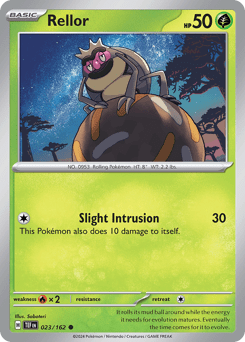
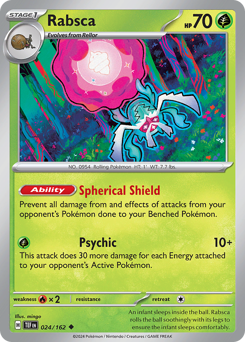
LOCAL 11 april, 8 people: -WLL vs Dragapult Dusknoir, -WW vs Mega Lucario, -WW vs Dragapult Dusknoir. I chose to change the deck into rellor/rabsca since people are spamming Dragapult all the time (people have no fantasy)

You must be logged in to comment.